
Choosing suitable industrial tools can improve accuracy, productivity and the quality of your work. Whether you operate a workshop, manage maintenance at a manufacturing plant or complete DIY projects, every tool should match the task, material and working environment.
CONQUIP supplies precision tools and heavy-duty power equipment for professionals and DIY enthusiasts across South Africa. Our team also provides consultations to help customers identify suitable tools for their projects.
Understand the Work You Need to Complete
Before purchasing industrial tools, clearly define the work involved. A tool designed for occasional household repairs may not be suitable for continuous use in a busy workshop or manufacturing environment.
Understanding the application helps you choose equipment with the appropriate power, capacity, size and durability.
Questions to Consider Before Selecting a Tool
- What work must the tool complete?
- Which materials will you be working with?
- How frequently will the tool be used?
- Will it be used indoors or outdoors?
- Is electricity available in the working area?
- Does the project require precision or heavy-duty power?
- Will different employees or operators use the equipment?
- What safety equipment will be required?
Providing these details when requesting a quotation helps CONQUIP understand your needs and recommend an appropriate solution.
Industrial Tools for Different Working Environments
Industrial tools are used in many different environments. The right solution will depend on the type of business, project and operating conditions.
Workshops
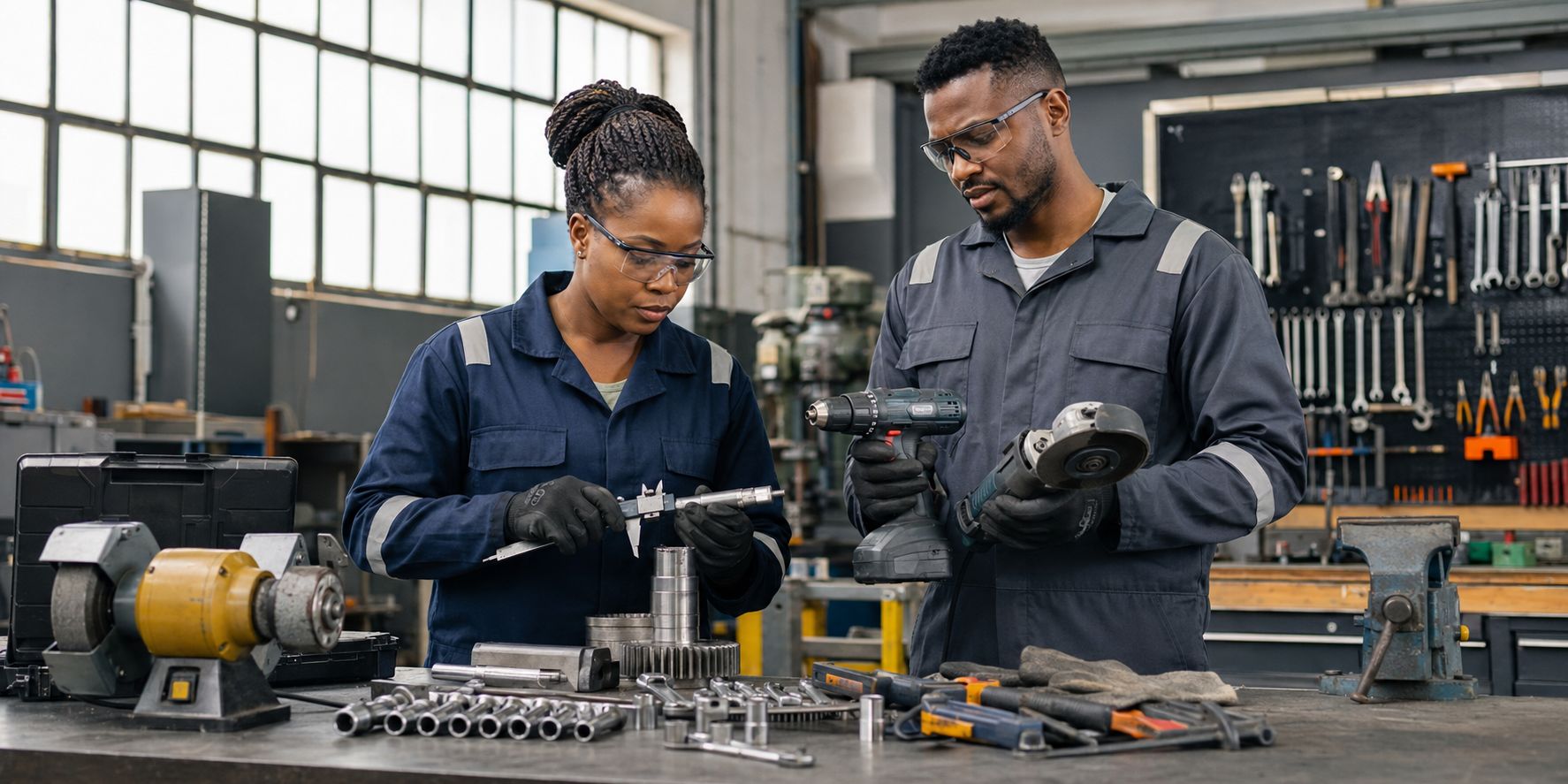
Workshops require dependable tools for cutting, drilling, fastening, repairs and general technical work. Because these tools may be used regularly, reliability, accuracy and ease of maintenance are important considerations.
A workshop should select equipment based on its daily workload, available working space and the materials commonly handled.
Manufacturing Plants
Manufacturing environments often require robust tools capable of supporting repeated tasks and demanding operating conditions. Equipment selection should consider production requirements, operator safety and compatibility with existing workplace systems.
Using dependable industrial tools can help maintenance and production teams respond efficiently to operational requirements.
Repair and Maintenance Work
Repair and maintenance teams need practical tools for inspections, adjustments, installations and equipment repairs. Portability may also be important when work must be completed in different parts of a facility or at several customer locations.
The selected tools should be appropriate for the equipment or materials being repaired and the conditions in which the work will take place.
DIY Projects
DIY enthusiasts may need tools for home repairs, improvements, installations and personal projects. The most powerful option is not always necessary. A suitable tool should be manageable, dependable and appropriate for the frequency of use.
CONQUIP can help customers compare their requirements before choosing equipment for occasional or ongoing projects.
Precision Tools and Heavy-Duty Power Equipment
Different projects require different levels of accuracy and power. Understanding this distinction can prevent customers from selecting equipment that is unsuitable for the work.
Precision Tools
Precision tools are suitable for tasks where accuracy, control and consistent results are important. When selecting them, consider the required measurement, material and level of detail involved in the work.
The tool should allow the operator to complete the task accurately without applying unnecessary force or damaging the material.
Heavy-Duty Power Equipment
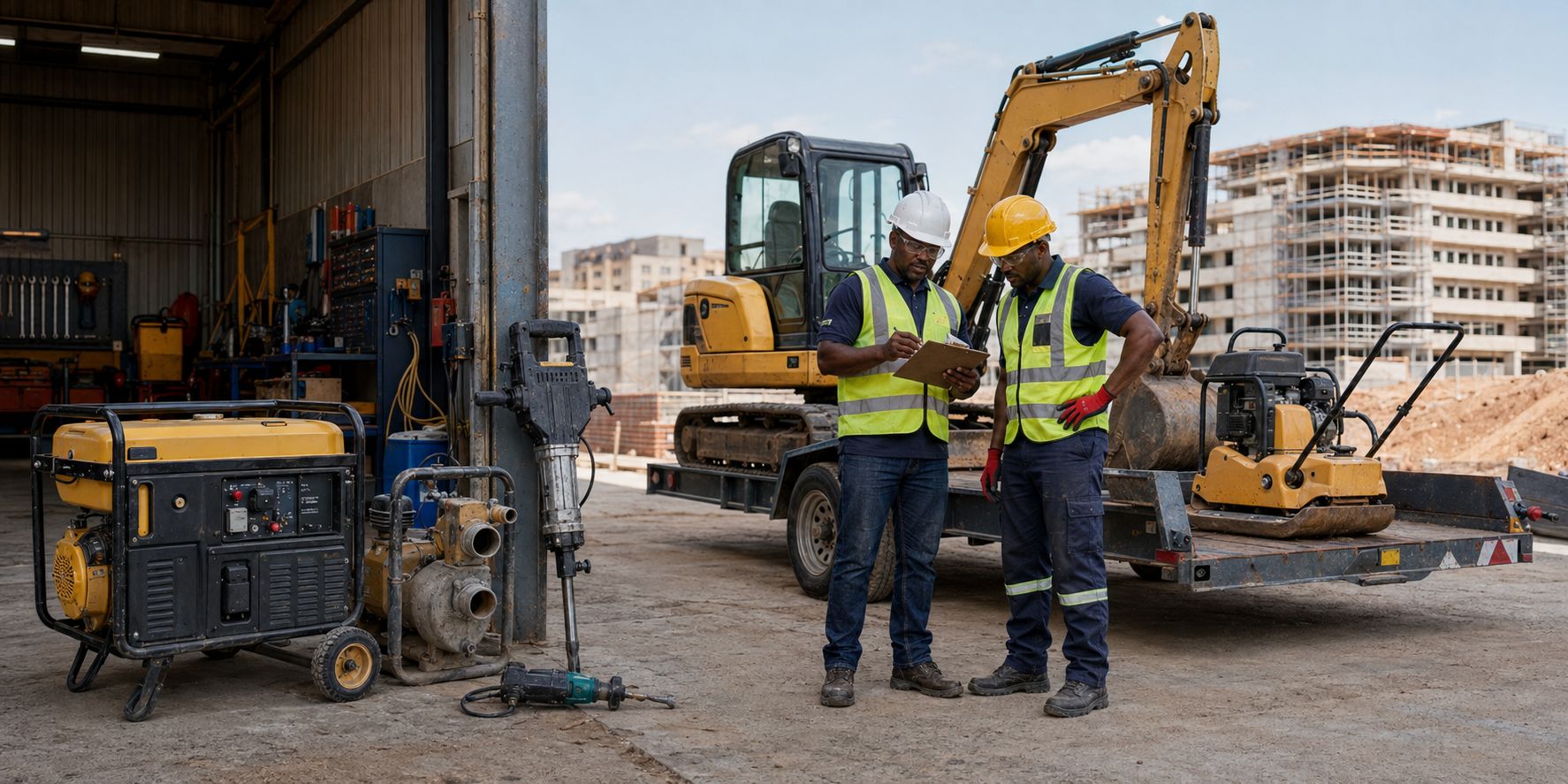
Heavy-duty power equipment is designed for more demanding work. It may be required when dealing with strong materials, larger workloads or frequent operation.
Before choosing heavy-duty equipment, consider:
- Required power and capacity
- Type and thickness of the material
- Expected frequency of use
- Available electrical supply
- Operating environment
- Equipment size and weight
- Maintenance requirements
- Operator knowledge and experience
Selecting equipment according to the actual workload can help reduce unnecessary wear and improve project efficiency.
Consider the Material Being Worked On
Tools should be selected according to the material they will cut, drill, shape, fasten or repair. Equipment that works effectively on wood may not be appropriate for concrete, metal or other demanding materials.
Common Material Considerations
- Material type
- Material thickness
- Required finish
- Cutting or drilling depth
- Level of precision required
- Heat generated during operation
- Suitable accessories or attachments
Customers should provide accurate information about the material when requesting assistance. This makes it easier to identify an appropriate industrial-tool solution.
Compare Tool Quality and Durability
Price is important, but it should not be the only factor considered. A lower-priced tool may not provide the durability required for regular professional work.
Features Worth Evaluating
- Construction quality
- Expected working capacity
- Availability of suitable accessories
- Ease of operation
- Maintenance requirements
- Suitability for frequent use
- Safety features
- Manufacturer instructions
The most suitable choice is one that balances performance, reliability and cost according to the customer’s actual requirements.
Think About the Working Environment
The operating environment can affect tool selection. Equipment used in a controlled workshop may have different requirements from tools used outdoors or throughout a manufacturing facility.
Workplace Factors to Check
- Available working space
- Ventilation
- Lighting
- Access to electricity
- Exposure to dust or moisture
- Distance from the power supply
- Storage space
- Number of operators
- Workplace safety procedures
Understanding these conditions can help prevent the purchase of tools that are difficult or unsafe to operate in the intended location.
Prioritise Safe Tool Operation
Industrial tools and power equipment should always be operated responsibly and according to the supplied instructions. Users should understand the controls, limitations and safety requirements before beginning work.
Basic Industrial Tool Safety
- Inspect the tool before every use.
- Wear suitable personal protective equipment.
- Use the correct tool for the task.
- Keep the working area clean and organised.
- Check electrical cables and connections.
- Keep guards and safety features in position.
- Disconnect equipment before changing accessories.
- Do not operate damaged equipment.
- Keep unauthorised people away from the work area.
- Store tools securely after use.
Correct operation helps protect employees, customers, equipment and surrounding property.
Maintain Tools for Reliable Performance
Regular care can help industrial tools remain dependable and reduce avoidable interruptions. Maintenance requirements will differ depending on the equipment and how frequently it is used.
Basic Tool-Care Practices
- Clean tools after use.
- Check for visible damage.
- Inspect cables, plugs and connections.
- Replace worn accessories when necessary.
- Store equipment in a clean, dry location.
- Follow the recommended maintenance instructions.
- Remove faulty tools from service.
- Arrange repairs when problems are identified.
A simple inspection and maintenance routine can help businesses manage their tools more effectively.
Get Assistance Before Making a Decision
Customers do not always know which tool, capacity or power level their project requires. Professional product-selection assistance can help prevent unsuitable purchases.
When requesting a consultation, explain the work, material, working environment and expected frequency of use. Photographs, measurements or project details may also make it easier to understand the requirement.
Information to Include in Your Enquiry
- Type of project
- Work that must be completed
- Material involved
- Required level of precision
- Expected frequency of use
- Project location
- Working environment
- Preferred budget range
- Date the equipment is required
CONQUIP uses this information to help customers identify suitable available industrial tools and power equipment.
Request Industrial Tools from CONQUIP
CONQUIP supplies industrial tools and solutions for workshops, manufacturing plants, repair and maintenance work and DIY projects across South Africa.
From precision tools to heavy-duty power equipment, we help customers find practical solutions suited to their work. Contact CONQUIP with your project requirements to receive product-selection assistance, confirm availability and request a quotation.
Call to action: Need reliable tools for your next project? Contact CONQUIP today for assistance selecting suitable industrial tools and power equipment.