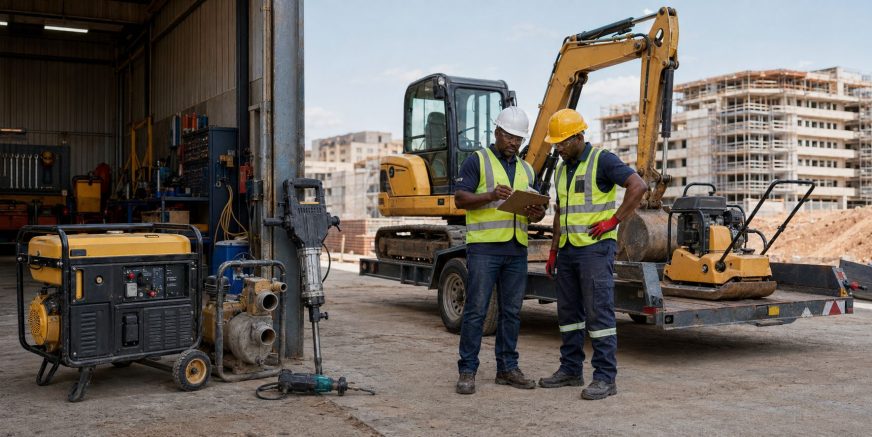
Choosing whether to hire or purchase construction equipment can significantly affect your project budget, planning and productivity. The right option depends on how frequently the equipment will be used, the project duration and whether your business can manage storage and maintenance.
CONQUIP provides dependable equipment solutions for construction, landscaping and civil works across South Africa. Understanding the benefits of hiring and buying will help you make a more practical decision.
Understanding Construction Equipment Hire
Equipment hire allows a contractor, business or property owner to use machinery for an agreed period without purchasing it permanently. This option is often suitable for short-term projects, specialised work and equipment that is not required regularly.
When Hiring Equipment May Be Suitable
- The equipment is needed for a short project.
- You only require the machine occasionally.
- The project needs specialised equipment.
- Purchasing would place pressure on your budget.
- You do not have suitable equipment-storage facilities.
- Your equipment requirements change between projects.
- You want to avoid long-term ownership responsibilities.
Hiring can provide access to equipment when it is required while helping customers avoid the full cost of purchasing machinery that may remain unused after the project.
Understanding Equipment Purchasing
Buying construction equipment gives the business permanent access to the machine or tool. This may be a practical choice when the equipment is used frequently and forms an important part of daily operations.
When Buying Equipment May Be Suitable
- The equipment will be used regularly.
- Several future projects require the same machine.
- Your business has suitable storage facilities.
- You can manage repairs and maintenance.
- Equipment availability is essential to daily operations.
- The purchase fits within your long-term budget.
- Your team has trained or experienced operators.
Purchasing may provide greater control over when and how the equipment is used. However, the buyer becomes responsible for storage, maintenance, repairs and the general condition of the equipment.
Compare the Initial Cost
The initial cost is one of the biggest differences between hiring and buying. Hiring generally requires a smaller short-term payment, while purchasing requires a larger financial commitment.
Costs to Consider
- Purchase or hire price
- Delivery and collection
- Fuel or electricity
- Operator expenses
- Maintenance and servicing
- Replacement parts
- Equipment storage
- Insurance and security
- Transportation between project sites
The lowest initial price is not always the most cost-effective option. Customers should compare the complete cost of using and managing the equipment throughout the project.
Consider How Frequently the Equipment Will Be Used
Usage frequency is an important part of the decision. Equipment required for one project may not justify a permanent purchase. However, regularly hiring the same equipment could become expensive over time.
Keep a record of how often the equipment is needed and how long it is used during each project. This information can help you compare repeated hire costs with the long-term cost of ownership.
Questions to Ask About Equipment Usage
- How many projects will require this equipment?
- How many days will it be used each month?
- Is the equipment essential to daily operations?
- Will it remain unused for long periods?
- Are future projects confirmed or only expected?
- Could another machine complete the same work?
A clear usage estimate can prevent unnecessary purchases and help businesses avoid repeated hire expenses.
Think About the Project Duration
Hiring is commonly suited to short-term or once-off work. This may include excavation, demolition, landscaping, site clearing or temporary power requirements.
Long-term projects require a more detailed cost comparison. If equipment will be used continuously for several months or across multiple confirmed projects, purchasing may offer better long-term value.
Plan the Required Period Carefully
Include time for:
- Equipment delivery
- Site preparation
- Operator setup
- Actual working days
- Weather-related interruptions
- Project delays
- Equipment collection
Accurate scheduling can help prevent customers from paying for hire time during periods when the equipment is not being used.
Evaluate Storage and Security Requirements
Construction equipment needs secure storage when it is not operating. Buying equipment without suitable storage can expose the business to theft, weather damage and unnecessary deterioration.
Storage Factors to Consider
- Available storage space
- Protection from rain and extreme weather
- Site security
- Access control
- Transportation requirements
- Distance between storage and project sites
- Safety of fuel, cables and accessories
Hiring can reduce long-term storage responsibilities because the equipment is returned after the agreed period.
Consider Maintenance and Repairs
Owned equipment must be inspected, maintained and repaired throughout its working life. These responsibilities require time, technical knowledge and an additional budget.
Maintenance requirements may include cleaning, lubrication, replacing worn parts, electrical inspections and arranging professional repairs.
Responsibilities Associated with Ownership
- Planning routine servicing
- Keeping maintenance records
- Inspecting equipment before use
- Replacing damaged accessories
- Removing faulty equipment from operation
- Arranging repairs
- Managing unexpected downtime
Before purchasing, businesses should determine whether they have the staff and financial resources needed to maintain the equipment properly.
Choose According to the Type of Equipment
The hiring or buying decision may differ depending on the machine or tool required. Expensive plant equipment may be hired for specialised projects, while smaller tools used daily may be more practical to purchase.
Diggers and Compactors
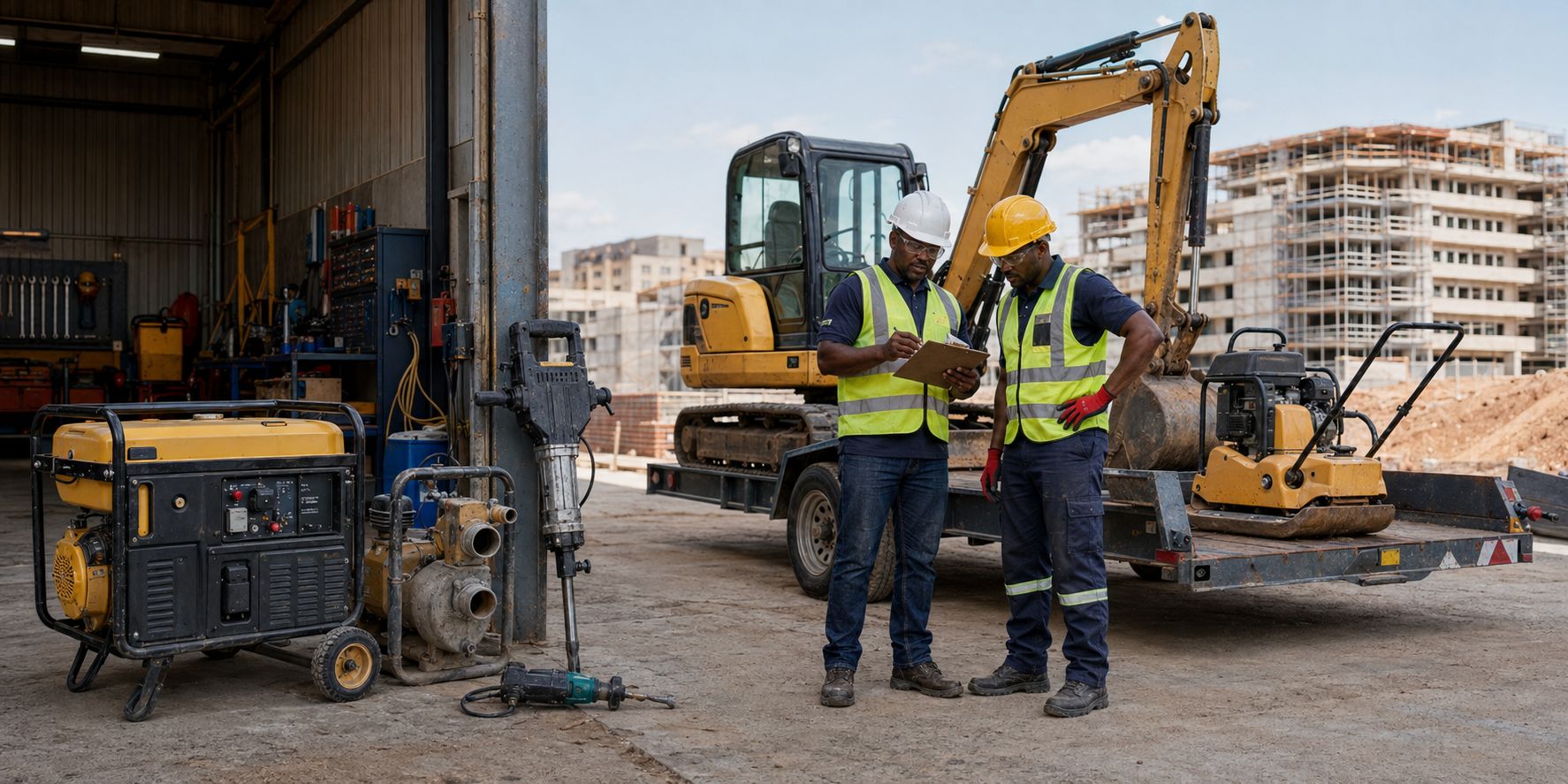
Diggers and compactors may be required for excavation, trenching and ground preparation. Hiring can be suitable when these tasks only form one stage of a larger project.
Generators and Water Pumps
Generators provide temporary power, while water pumps help manage accumulated water. Project-based hiring may be practical when these machines are only needed during power interruptions or particular site conditions.
Brush Cutters and Chainsaws
Businesses involved in regular landscaping, vegetation clearing or property maintenance may benefit from owning frequently used cutting equipment. Occasional users may find hiring more practical.
Power Breakers and Drills
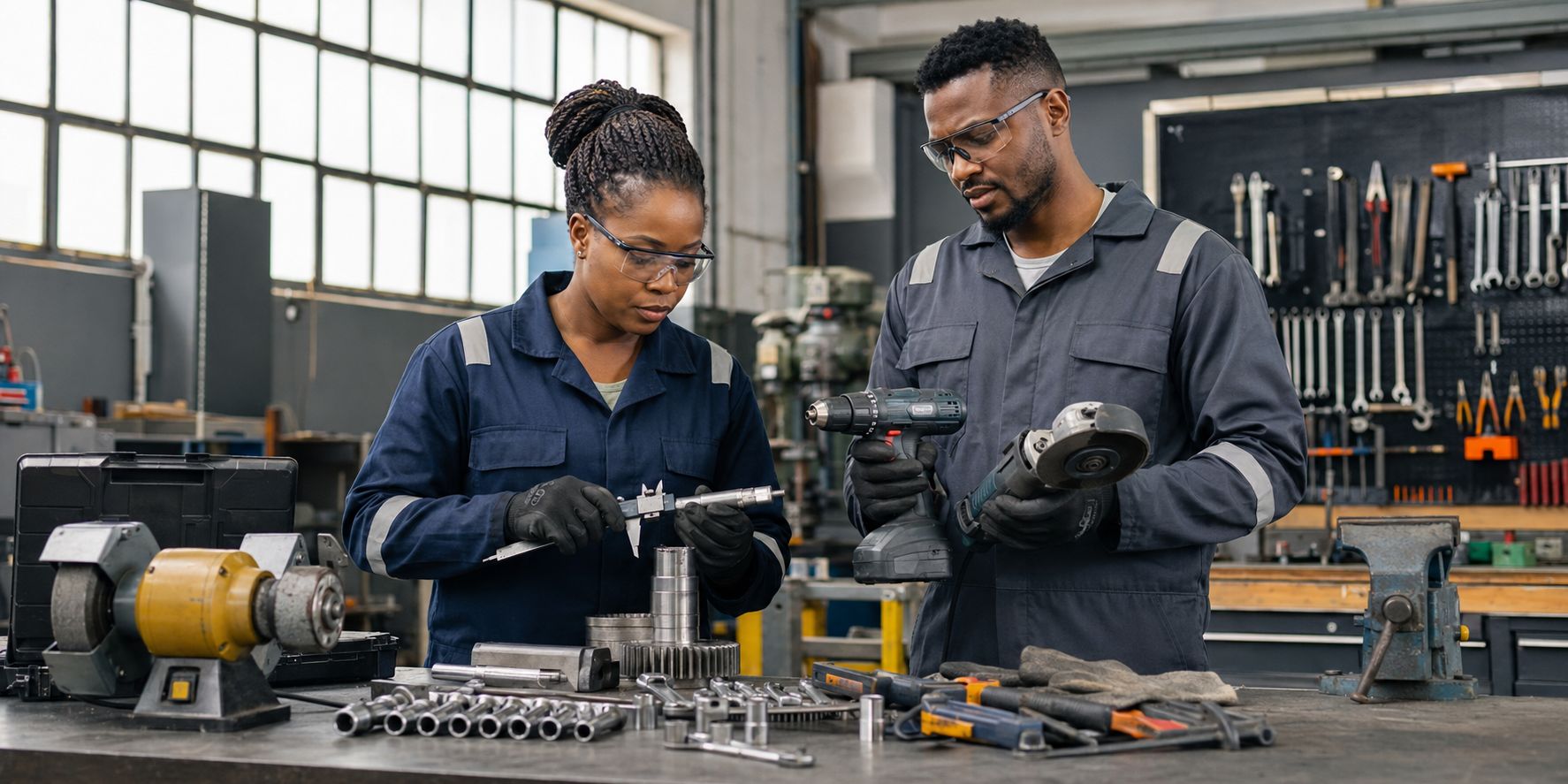
Power breakers and drills support demolition, repairs and installation work. The right decision depends on the workload, materials involved and frequency of use.
Consider Equipment Availability
Hiring depends on the required equipment being available for the planned dates. Customers should enquire early, particularly when a project has fixed deadlines.
Buying gives the owner permanent access, but the equipment may still be unavailable when it requires repairs or servicing.
Information to Provide When Hiring Equipment
- Type of equipment required
- Project location
- Work that must be completed
- Expected starting date
- Required hire period
- Site conditions
- Delivery or collection requirements
- Available power or fuel arrangements
Providing complete information helps the supplier understand the project and confirm an appropriate available option.
Decide Based on the Complete Project Cost
There is no single option that is suitable for every contractor or project. Hiring may help control costs for occasional work, while buying may provide better value for equipment used frequently.
Hiring May Be the Better Choice When
- The project is short term.
- Equipment is only required occasionally.
- Storage space is unavailable.
- The business wants to limit initial expenditure.
- Different projects require different machines.
Buying May Be the Better Choice When
- The equipment is used frequently.
- Several confirmed projects require it.
- The business can manage maintenance and repairs.
- Secure storage is available.
- Permanent access is operationally important.
Compare costs using realistic project information instead of basing the decision only on the hire rate or purchase price.
Request Construction Equipment from CONQUIP
CONQUIP supports construction, landscaping and civil-work projects with practical equipment solutions. Our range includes diggers, generators, water pumps, compactors, brush cutters, power breakers, chainsaws and drills.
Contact CONQUIP with your project details, location, required equipment and expected usage period. Our team will help you confirm available options and request a quotation suited to your requirements.
Call to action: Planning your next project? Contact CONQUIP today to discuss your equipment requirements and request a quotation.